Texas Building Codes for Roofing: What Homeowners Need to Know

Texas building codes for roofing protect homeowners by ensuring safe, durable installations. Whether you're replacing a damaged roof or building new, understanding these requirements helps you work with contractors and navigate insurance claims. Here's what Texas homeowners need to know about roofing codes.
Who Sets Roofing Codes in Texas?
Texas uses a layered system of building codes:
- International Residential Code (IRC): The baseline adopted by Texas with amendments
- Texas Department of Insurance (TDI): Sets additional requirements for coastal and windstorm-prone areas
- Local Jurisdictions: Cities and counties can adopt stricter requirements
Always check with your local building department for specific requirements in your area. Austin, San Antonio, Round Rock, and other Central Texas cities may have local amendments.
Key Roofing Code Requirements
Underlayment Requirements
Texas requires specific underlayment based on roof slope:
| Roof Slope | Minimum Requirement |
|---|---|
| 4:12 and steeper | One layer of approved underlayment |
| 2:12 to 4:12 | Two layers of underlayment or self-adhering polymer-modified bitumen |
| Less than 2:12 | Low-slope roofing requirements apply |
Ice and Water Shield Requirements
While Texas doesn't experience ice dams like northern states, ice and water shield (self-adhering membrane) is required or recommended in:
- Valleys (where two roof slopes meet)
- Around roof penetrations (vents, pipes, chimneys)
- At eaves in areas with potential for ice (rare in Central Texas)
- Around skylights
Drip Edge Requirements
Metal drip edge is required at eaves and rakes on all asphalt shingle roofs. Requirements include:
- Installed beneath underlayment at eaves
- Installed over underlayment at rakes
- Minimum 2-inch leg on roof deck
- Corrosion-resistant material
Ventilation Requirements
Proper attic ventilation is code-required in Texas:
- Minimum ratio: 1 square foot of ventilation per 150 square feet of attic space
- Balanced ventilation: At least 40% intake (soffits) and 40% exhaust (ridge or roof vents)
- With vapor barrier: Ratio can be reduced to 1:300 if proper vapor retarder is installed
Fastener Requirements
Nail specifications for asphalt shingles:
- Minimum 12-gauge shank with 3/8-inch head diameter
- Corrosion-resistant (galvanized, stainless, or aluminum)
- Length sufficient to penetrate deck at least 3/4 inch (or through if deck is less than 3/4 inch)
- Placement within manufacturer's specified nailing zone
Wind Design Requirements
Texas has specific wind requirements that vary by location:
Wind Speed Zones
| Area | Design Wind Speed |
|---|---|
| Central Texas (Austin area) | 115-120 mph |
| Coastal areas | 130-150+ mph |
| Panhandle | 115-120 mph |
Enhanced Fastening in High-Wind Areas
- Additional nails required (6 per shingle instead of 4)
- Starter strips must be sealed
- Hip and ridge shingles require enhanced attachment
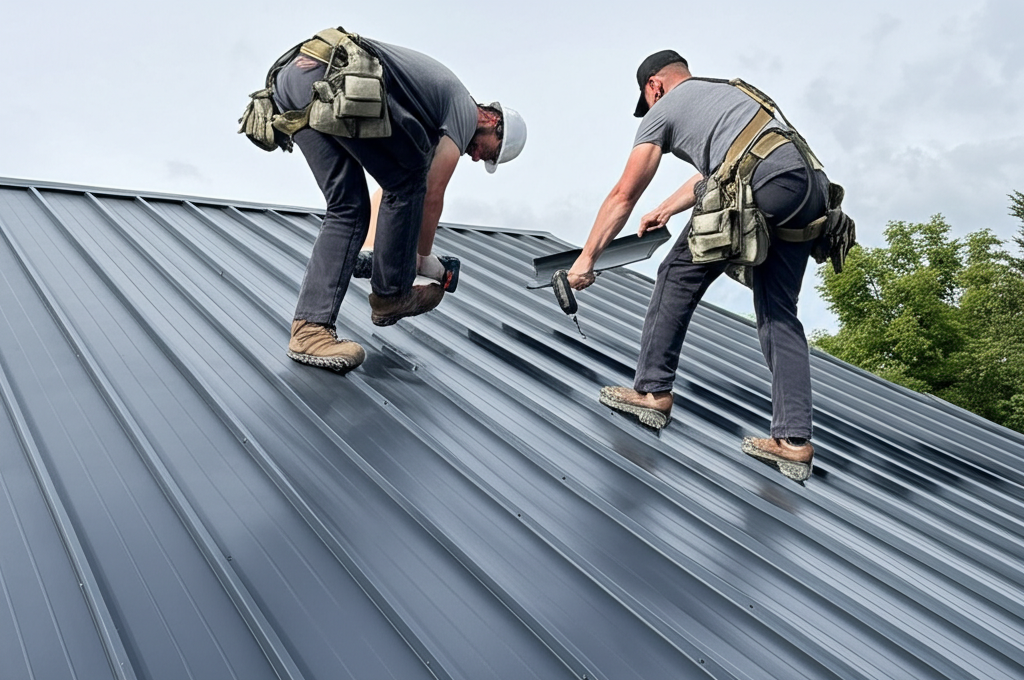
- Metal roofing requires specific screw patterns
TDI Windstorm Requirements
The Texas Department of Insurance has special requirements for the coastal "Windstorm Area" (first two tiers of counties from the Gulf):
- Must use TDI-approved roofing products
- Installation must follow TDI specifications
- Required inspections at specific stages
- WPI-8 certificate required for insurance
While Central Texas is not in the Windstorm Area, these standards represent best practices for high-wind resistance.
Fire Rating Requirements
Texas generally requires Class A, B, or C fire-rated roofing materials. Class A (highest) is typically required or recommended in:
- Wildfire-prone areas
- Dense urban developments
- HOA-regulated communities
Most asphalt shingles are Class A rated by default.
Overlay vs. Tear-Off Rules
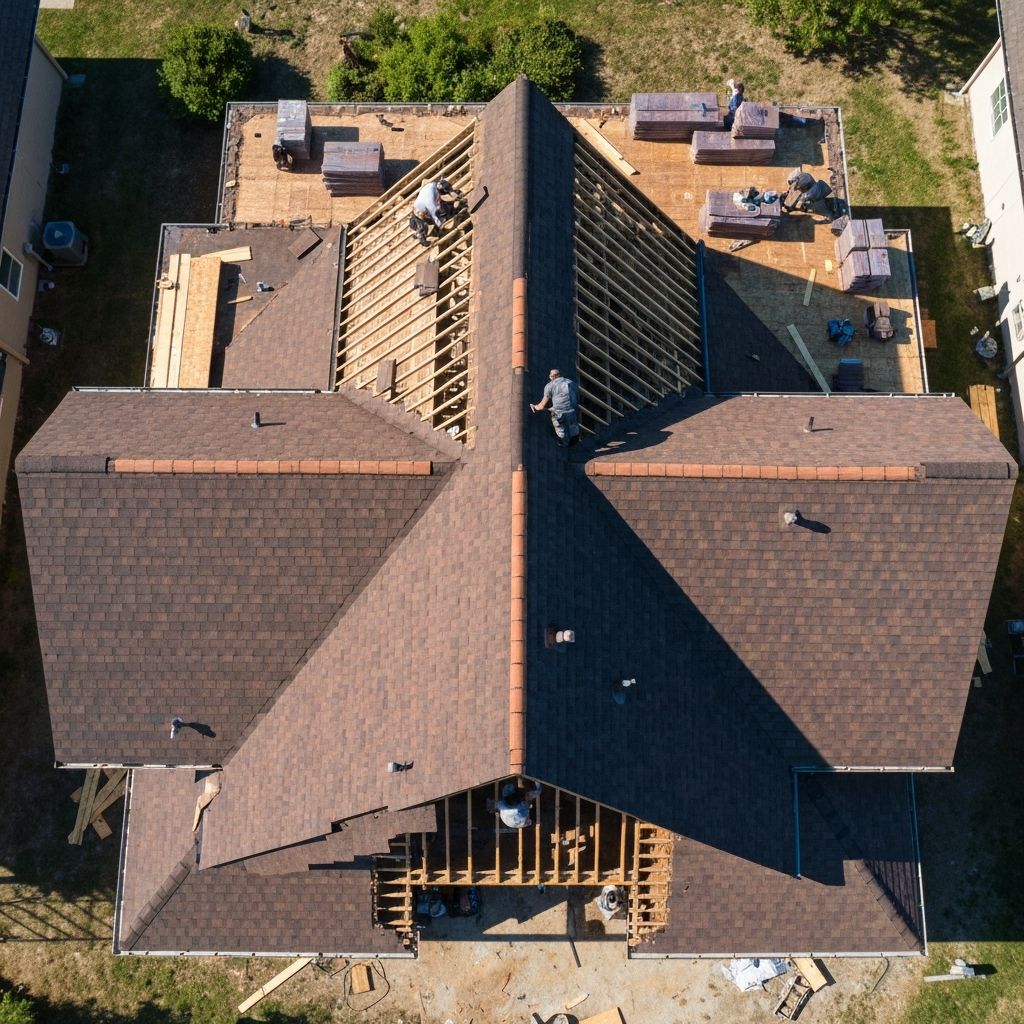
Texas allows roofing overlay (installing new shingles over old) with restrictions:
- Maximum layers: Two layers of asphalt shingles total
- Deck condition: Existing shingles must be flat and deck must be sound
- Weight limits: Structure must support additional weight
- Warranty implications: Many manufacturers void warranties on overlays
Tear-off is required when:
- Already two layers present
- Existing roof has wood shakes or different material type
- Deck damage is suspected
- Water damage or rot exists
Permit Requirements
Most Texas jurisdictions require permits for roof replacement:
- Full replacement: Permit typically required
- Repairs: May not require permit if under certain square footage
- Fees: Usually $100-$400 depending on jurisdiction and project scope
- Inspections: Final inspection typically required before permit closure
Your contractor should pull permits—be wary of contractors who suggest skipping this step.
Insurance Code Upgrade Coverage
When replacing a storm-damaged roof, your insurance may cover code upgrades required since original installation:
- Added drip edge (if not originally present)
- Upgraded underlayment
- Enhanced ventilation
- Ice and water shield in valleys
- Additional fasteners for wind resistance
This "code upgrade" coverage is typically included in most policies but may require documentation of what's required vs. what was original.
HOA and Deed Restriction Considerations
Beyond building codes, HOAs may impose additional requirements:
- Approved shingle colors and styles
- Specific manufacturers or product lines
- Architectural review before replacement
- Contractor approval requirements
Always verify HOA requirements before finalizing material selections.
Working With Code-Compliant Contractors
Ensure your contractor understands and follows current codes:
- Pulls required permits
- Schedules required inspections
- Uses code-compliant materials and methods
- Provides documentation of compliance
- Familiar with local amendments
We Follow All Codes
At Hive Roofing, we maintain current knowledge of Texas roofing codes and local requirements across Central Texas. Our installations meet or exceed all applicable codes, we pull proper permits, and we ensure inspections are completed. This protects your investment and ensures your roof performs as intended for decades.
About Hive Team
Hive Team is a roofing expert at Hive Roofing and Solar with over 15 years of experience in the industry. He specializes in residential roofing and is passionate about helping homeowners protect their investments.
Need a Roof Inspection?
Our experts can assess your roof's condition and provide honest recommendations.
Get Free Estimate