Roof Inspection for an Insurance Claim: What to Expect

The inspection is the foundation of any roof insurance claim. What gets documented — and how — shapes the conversation you have with your carrier. Understanding the two different inspections you will encounter, and how to prepare for them, puts you in a stronger position before you ever pick up the phone.
Two Different Inspections
1. The contractor inspection (before you file)
This is the inspection that should happen before you call your carrier. A reputable roofer will:
- Do a hands-on inspection of the entire roof and exterior
- Document damage with photos, measurements, and notes
- Identify damage you would never see from the ground
- Write up a detailed report you keep
- Tell you straight whether the damage warrants a conversation with your carrier
The inspection report belongs to you. What you do with it is your call. At Hive the 47-point inspection is free, and we hand you the written report whether or not you move forward with us.
2. The insurance adjuster inspection (after you file)
If you file a claim, your carrier sends an adjuster. The adjuster:
- Works for the insurance company
- Evaluates what damage exists in their assessment
- Determines what your policy covers
- Writes an estimate for repairs
- Takes photos and measurements
You can ask your contractor to be on-site during this visit. We are not there to negotiate or advocate; we are there as an additional set of HAAG-trained eyes on the walk so nothing on the roof gets missed.
What Inspectors Look For
A thorough roof inspection covers a lot more than shingles.
On the roof surface
- Shingles: missing, cracked, curled, or bruised; granule loss
- Flashing: damage at chimneys, vents, skylights, and valleys
- Vents and penetrations: cracked boots, damaged caps, dented vents
- Ridge cap: lifted, cracked, or missing ridge shingles
- Decking: signs of water damage or soft spots underneath
Gutters and drainage
- Dents on gutter faces and downspouts
- Bent or damaged downspouts
- Granule accumulation at outlets (a sign of shingle wear)
- Drainage function
Other exterior elements
- Siding: dents, cracks, or holes
- Windows: cracked glass, damaged frames or screens
- HVAC: dents on condenser fins
- Fencing: storm damage to fence structures
Interior signs
- Water stains on ceilings or walls
- Attic leaks or daylight visible through the decking
- Moisture or new mold patches in the attic
Why HAAG Certification Matters
HAAG Engineering is the standard-setter for forensic roof inspection training. When your inspector is HAAG-certified, the report tends to be useful because:
- Insurance adjusters generally train to the same HAAG standards
- The inspector can clearly separate storm patterns from age-related wear
- Documentation aligns with what adjusters look for during their own inspection
- The report uses the technical language carriers expect
Aligned documentation does not promise an outcome — your carrier still evaluates the claim against your policy. It just means everyone is reading from the same map.
How to Prepare for Each Inspection
Before the contractor inspection
- Note the date and time of the storm and what you observed
- Gather pre-storm photos of the roof if you have any
- Clear attic access if possible
- Make a list of any interior damage you have noticed
- Have your policy declarations page handy
Before the adjuster inspection
- Schedule your contractor to be on-site at the same time
- Have the contractor's inspection report ready to share
- Organize your damage documentation
- List the damage areas so nothing is overlooked on the walk
- Clear access to all sides of the property
What Happens During the Inspection
The walk-around
The inspector circles the property looking at:
- All elevations of the house
- Gutters and downspouts
- Windows and siding
- Fences and outbuildings
- AC condensers and other exterior equipment
The roof inspection
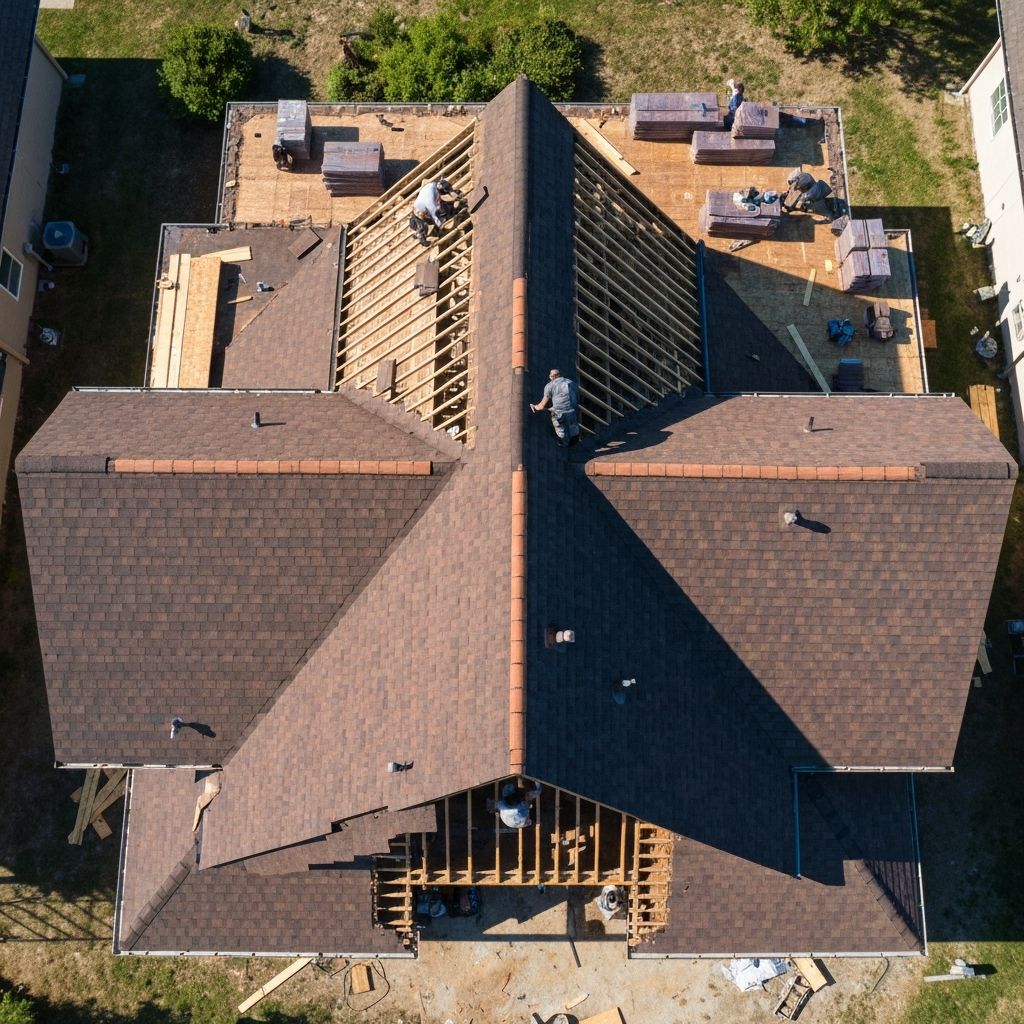
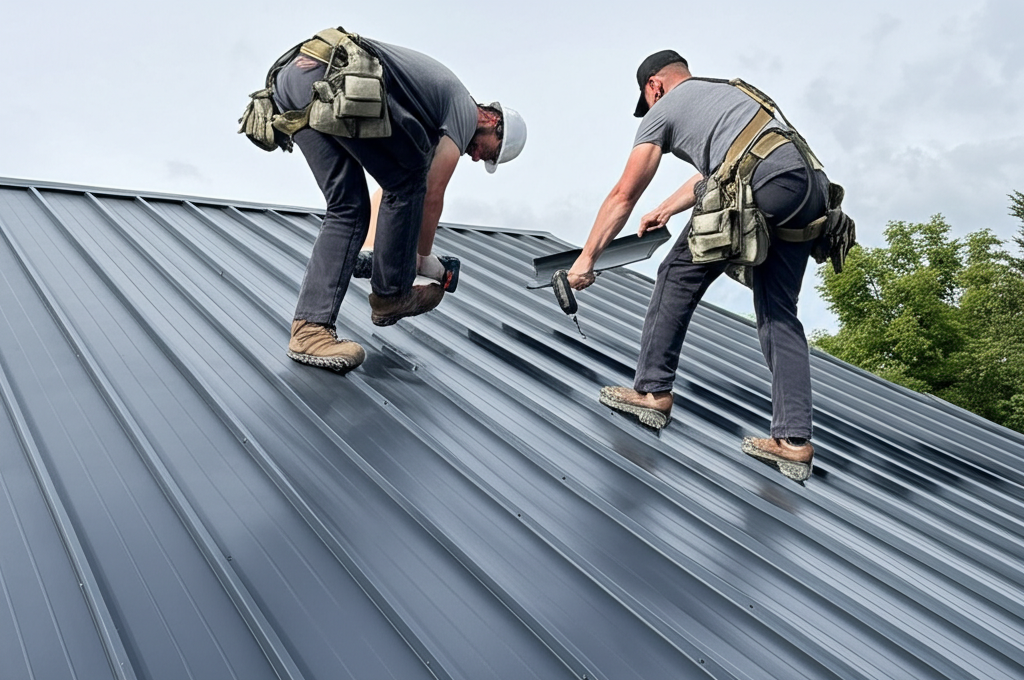
A thorough inspector gets on the roof to:
- Run hands-on shingle tests
- Check flashing and penetrations
- Examine valleys and other vulnerable areas
- Take measurements and photographs
- Look for damage patterns tied to the storm date
If an adjuster only inspects from the ground or a ladder, you can ask for a hands-on roof inspection. Ground-only inspections miss things.
The interior check
The inspector should also look at:
- The attic for fresh leaks or moisture
- Top-floor ceilings for water staining
- Any specific spots you flagged
After the Inspection
From your contractor
You should receive a written report including:
- Photos of every damaged area
- Written description and damage diagram
- Recommended repair scope
- Estimated repair cost
The report belongs to you. You decide whether to share it with your carrier.
From the insurance adjuster
Within a few weeks you typically receive:
- An itemized estimate for what the carrier considers covered
- An explanation of what is and is not covered under your policy
- Your initial payment, if the claim moves forward
Red Flags During an Inspection
- The adjuster will not get on the roof
- The inspection is rushed (under 30 minutes for a full roof)
- Documented damage is dismissed without explanation
- You are pressured to sign anything on the spot
- Very few photos are taken
If something feels off, you can ask for a re-inspection through your carrier.
Hive's 47-Point Inspection
Our HAAG-certified inspectors cover:
- Every component of the roof system
- All exterior elements: gutters, siding, windows
- Attic and interior damage signs
- Detailed photographic documentation
- A written report you keep
The inspection is free, whether or not you ever file a claim. The report is yours. What you do with it is your call.
Schedule a Free Inspection
Get a professional inspection before you talk to your carrier, not after. You will walk into the conversation with documentation and a clear picture of what is on your roof.
Schedule your free 47-point inspection. Our HAAG-certified team will document what we find, hand you the report, and step out of your way. If you choose to file and you ask us to, we will be on-site at the adjuster's visit to walk the roof together.
About Hive Team
Hive Team is a roofing expert at Hive Roofing and Solar with over 15 years of experience in the industry. He specializes in residential roofing and is passionate about helping homeowners protect their investments.
Need a Roof Inspection?
Our experts can assess your roof's condition and provide honest recommendations.
Get Free Estimate